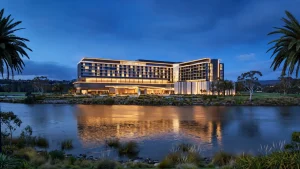
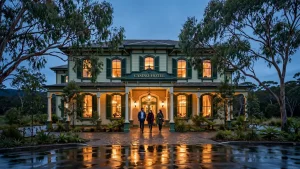
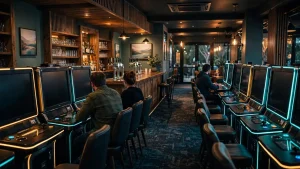
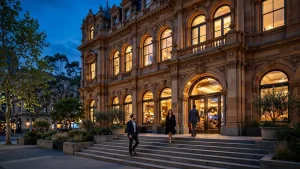
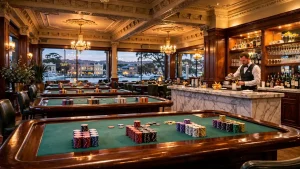
A practical overview of accommodation, venue amenities and common searches related to casinos in Western Australia.

A casino hotel combines two separate purchases: accommodation and access to a casino venue. The room decision can be assessed on its own terms, without assuming that a hotel booking includes gaming access, meals, transport or any other service. Those details depend on the property and the booking conditions.
Before choosing a room, confirm that the listing belongs to the intended hotel and that the dates, room type and occupancy match the booking. A property name or casino label in a third-party listing is not enough to establish what is included. The hotel’s own booking information is the better reference for room descriptions, current conditions and contact details.
A low advertised rate does not establish the final cost. The relevant figure is the amount payable for the full stay after applicable taxes, fees and booking conditions are accounted for. Compare like with like: the same dates, room category, occupancy and cancellation terms. If those differ, the apparent saving may be a difference in what is being purchased rather than a better deal.
For players in Western Australia considering online casinos in 2026, the details disclosed about each operator can help frame further research. Use this list as a starting point and check whether an operator suits your needs before signing up.
LevelUp Casino
LevelUp Casino lists a Curacao eGaming licence (OGL/2023/174/0082, Dama N.V.) and a minimum deposit of A$15.
Vegaz Casino
Vegaz Casino lists a Curacao licence (OGL/2024/1335/0780) and a minimum deposit of EUR 20.
GoldenCrown
GoldenCrown lists a Curacao Gaming Control Board licence (OGL/2023/176/0095, Hollycorn N.V.).
Golden Pokies
Golden Pokies is listed with a Curacao licence; no further operator details are provided here.
SpinsUp
SpinsUp lists a Curacao Gaming Control Board licence (OGL/2023/174/0082, Dama N.V.).
SkyCrown
SkyCrown lists a Tobique Gaming Commission licence and a minimum deposit of A$30. Its stated payout speed is around 10–15 minutes for crypto and 1–5 days for fiat.
Roby Casino
Roby Casino lists a Curacao eGaming licence under Roby Games Ltd.
MrPacho
MrPacho lists a minimum deposit of A$30. Its stated payout speed is 30–120 minutes for crypto and 24–72 hours for fiat.
Neospin
Neospin lists a Curacao Gaming Control Board licence (OGL/2023/176/0095, Hollycorn N.V.).
Bizzo Casino
Bizzo Casino lists a Curacao Gaming Control Board licence under TechSolutions Group N.V.
Room descriptions also need to be read literally. A view, bed configuration, accessibility feature or other preference should be confirmed for the selected room type, not inferred from photographs or general descriptions of the hotel. Images can illustrate a property without guaranteeing that the pictured room is the one assigned. Where a requirement affects the stay, written confirmation is more useful than an assumption.
The distinction between a casino hotel and a hotel near a casino matters. The former describes accommodation associated with a casino property; the latter may describe a separate hotel in the surrounding area. A listing’s wording can blur that difference. Confirm the actual hotel address and the relationship, if any, between the accommodation and the casino before paying.
A hotel deal is not simply a reduced price. Its value depends on the total charge, what the rate includes and what happens if plans change. Check whether payment is taken at booking or later, whether the reservation can be changed or cancelled, and whether any refund depends on a stated condition. A non-refundable rate can cost less initially while transferring the cancellation risk to the guest.
Inclusions should be treated as specific terms, not as a general promise of value. If a deal mentions an added service or credit, confirm its scope, validity and any restrictions directly in the offer. Do not assign a monetary value to an inclusion that cannot be used or whose conditions are unclear. The calculation is straightforward: compare the payable room cost with the value of benefits that are actually usable, then account for the flexibility surrendered.
Third-party booking pages may show a different rate or cancellation policy from the hotel’s own channel. Compare the complete terms before deciding, and retain the confirmation showing the selected room and conditions. A headline price without its payment and cancellation rules is not a comparable offer.
A room reservation does not establish when casino gaming areas operate, and a casino’s opening hours do not determine hotel check-in or check-out arrangements. These are separate schedules maintained for different purposes. Confirm hotel arrival instructions with the accommodation provider; check venue hours separately if a visit is planned, since operating information can change.
The practical test for a Western Australian casino hotel is therefore not whether a listing uses the word “deal”. It is whether the property, room, total payable cost and booking conditions are all clear before commitment. Where any of those elements remain uncertain, the advertised saving cannot yet be calculated.
A request for a poker room at a Western Australian casino is a venue question, not evidence that a dedicated room operates there. The same applies to searches for poker tournaments: a casino may be associated with poker without hosting a particular event, and a past tournament listing does not establish that it is running now. Room access, game types and tournament schedules are separate details, each requiring current confirmation from the venue.
A request for a poker room or tournament is a venue question and not evidence that a dedicated room or a specific event is currently operating at a Western Australian casino.
The phrase “casino rooms” is particularly ambiguous. It can refer to hotel accommodation, a poker room or other areas inside a casino complex. That distinction matters before comparing results: an accommodation listing cannot confirm poker facilities, and a general venue page cannot establish that a poker tournament is scheduled. A useful check is whether the information explicitly names poker, gives the relevant location within the venue and identifies an event date or current operating status.
Tournament information should be treated as event-specific rather than as a standing feature. A listing may describe a completed event, a planned event or a recurring format that is temporarily unavailable. Before relying on it, check whether the date is current and whether the details come from the venue or an event organiser. Entry conditions, registration arrangements and game formats should be confirmed in the same place; they cannot be inferred from the words “poker tournament” alone. If the information is undated or refers only to a general poker offering, it does not settle whether a tournament is taking place.
A gym-related result alongside a casino name does not prove that the casino itself has a gym. The reference may concern a nearby fitness business, a hotel elsewhere in the same precinct or an unrelated listing grouped by a directory. Even when a hotel and casino share a broader destination, that does not establish which facilities are available to casino visitors, whether access is restricted to hotel guests or whether the gym is currently operating.
For a practical comparison, separate three questions: whether a poker room is confirmed, whether a tournament is scheduled, and whether gym access is available at the relevant property. These are not interchangeable amenities. A casino page that mentions poker need not say anything about tournaments; a hotel page that mentions fitness facilities need not establish access for non-guests. Where a listing combines these subjects without explaining the relationship, the connection remains unverified.
Opening status is another independent detail. A venue described as open does not necessarily have its poker room or gym operating at that time, and general casino hours do not establish event registration or facility access. Current status should be checked against information from the venue, especially where a planned visit depends on a particular room or scheduled activity. Search snippets can remain visible after a page or event has changed, so a dated, direct source is more useful than an undated summary.
Sports-bar wording may also appear beside poker or casino-room results, but it does not confirm that a bar is part of the casino or that it is open. It is a separate venue detail and should not be used as evidence of poker facilities, tournament availability or gym access.
The sound comparison is therefore narrow: confirm the exact facility, its location, the access conditions and the date or operating status relevant to the visit. A casino name attached to a room, tournament or gym listing is a lead to verify, not a complete description of what is available.
A visit to a casino in Western Australia and an online casino are different propositions. Parking relates to reaching a physical venue; an online service cannot provide a car park, valet service or access to a local building. Search results that combine those ideas do not establish that a particular venue offers parking, or that a particular online service is lawful.
Parking information should be checked against the venue’s current official details before travel. The relevant points are whether parking is available to visitors, where the entrance is, whether charges or access conditions apply, and whether a valet service is operating. These details can change, and a listing or old review is not a reliable substitute for a current venue notice. The same applies to directions: a general address does not confirm the location of a parking entrance.
The cost calculation is straightforward even when the amount is not published: the total visit cost includes any parking charge, not just spending inside the venue. If parking conditions cannot be confirmed, that cost remains unknown rather than zero. A valet option, where confirmed, should also be assessed as a separate service with its own terms; it should not be inferred from the presence of a casino or hotel.
The phrase “online casino in Western Australia” can blur two different legal questions: whether a venue operates in the state, and whether an operator may provide casino-style gambling online to people in Australia. The Interactive Gambling Act 2001 prohibits operators from offering real-money online casino games to people physically located in Australia. That includes online pokies and table games. An Australian-run online casino cannot lawfully offer those services to players in Australia.
The general rule for lawful gambling services in Australia is that the provider must hold an ILGA licence. That does not create a route for an online casino to offer prohibited games: the online casino prohibition still applies. Offshore platforms are not regulated under Australian law, so an offshore licence is not an Australian authorisation or a substitute for it. Online casino play should not be treated as a digital version of a Western Australian venue visit.
This distinction matters when a result for online play appears beside a result for venue parking or dining. It does not show that the physical venue has an online casino, nor does a venue’s existence establish that an online operator is authorised to serve Australian customers. A location-based listing and an online gambling offer need separate checks.
Technical details about pokies do not change the legal position. An online pokie uses a Random Number Generator to determine outcomes. Its RTP is a theoretical return calculated over a very large number of spins, not a promise about an individual session or a way to budget for a physical visit. Neither figure confirms that an online game may lawfully be offered to people in Australia.
Legal Prohibition
The Interactive Gambling Act 2001 prohibits operators from offering real-money online casino games, including online pokies and table games, to people physically located in Australia.
For practical planning, parking and venue access belong with the physical casino’s current visitor information. Online casino terms belong to a separate legal assessment, and an offshore licence does not make the service an Australian-regulated option. Treating those as separate costs and conditions is more useful than treating every result containing “casino” as describing the same service.
Finding a place to stay near a casino is a location decision, not simply a room search. The useful comparison is between the venue’s confirmed address and the accommodation’s actual position, with travel time and transport arrangements considered alongside the quoted price. A listing described as “near” may still involve a journey that changes the cost and convenience of the stay.
Start by confirming which casino the booking is meant to serve. A broad search for casino accommodation in Western Australia can return properties in different towns or suburbs, so the state name alone does not establish proximity. Check the venue’s current address against the accommodation listing, then compare the route between them. Where the listing does not make the location clear, the distance should not be inferred from its wording or photographs.
An accommodation deal is only comparable when its conditions are understood. Separate the room price from any transport, parking or other charges that apply to the stay. Check what the quoted rate includes, whether any conditions affect the dates, and whether cancellation or payment terms alter the amount at risk. A lower headline price may cease to be lower once the practical costs of reaching the venue are included.
Promotional language is not a final price. A discount may apply only to specified dates or booking conditions; the amount payable at checkout is the figure that matters. Keep the rate details and conditions together when comparing options, rather than treating a promotional label as evidence of savings. If two listings cover different inclusions or cancellation terms, their prices are not directly equivalent.
The closest available property is not automatically the most suitable. A stay may need to work for other plans as well as a casino visit, and the relevant trade-off is between location, total cost and the arrangements required to get around. Review the route at the times it will actually be used, and confirm transport options independently rather than assuming that proximity means a short or simple journey.
Parking also belongs in the cost comparison when travelling by car. Check whether parking is available at the accommodation and whether a separate arrangement is needed at the casino; neither should be assumed from a map pin or a package description. The word “near” does not confirm access, availability or price.
A casino’s location, opening times and trading hours are venue details, not features of an accommodation booking. Confirm them through current venue information before fixing travel plans. Gaming-machine availability and promotions are also separate matters; an accommodation offer does not establish what is available at the venue or what conditions apply.
The practical order is straightforward: identify the intended venue, verify its address, compare nearby stays by total cost and booking conditions, then confirm transport and visit details. That prevents a deal from doing more work in the calculation than it can support.
A casino contact number is useful only when it reaches the department responsible for the intended question. A general switchboard may handle visitor enquiries, while functions, accessibility, lost property or media requests may have separate contacts. The published number and the purpose attached to it should be checked on the venue’s official website before calling. Search listings can retain outdated details, and a number displayed beside a third-party directory is not evidence that the venue still uses it.
The same check applies to a casino map. A map can show entrances, internal routes and nearby streets, but its date and source matter: construction or access changes can make an old plan an unreliable guide. For a visit with a specific destination, confirm the entrance and route through the venue’s current visitor information rather than assuming a pin or downloaded image reflects present conditions.
Bar listings need similar scrutiny. A reference to a casino bar does not establish that a particular bar is operating, what its hours are, or whether access is restricted to certain customers or occasions. Venue pages and current notices are more useful than old event listings or photographs. If the purpose is to meet someone, the exact bar name and location within the complex matter; “at the casino” can leave several possible meeting points.
Baccarat and craps searches concern gaming, not general visitor services. A game’s presence should not be inferred from a casino’s overall profile or from a result about another state or country. Current venue information is the relevant check for whether a particular table game is offered, its operating arrangements and any applicable entry conditions. Online descriptions of rules can explain how a game works, but they cannot confirm that a Western Australian venue currently provides it.
Concert enquiries also require a venue-specific source. A past performance or ticketing page may remain visible after an event has ended, while a third-party listing may omit changes. For a particular performance, confirm the date, location, ticket status and any venue entry instructions through the organiser or the casino’s official event information. These details determine whether the listing is actionable; a concert mention alone does not.
Car-park information belongs in the same practical check, although it concerns access rather than entertainment. A result may refer to a nearby public car park rather than parking operated by the casino. Confirm the facility’s location, access arrangements and any applicable charges directly with the relevant operator. A map marker does not establish that a space will be available or that a particular rate applies.
For any of these details, the useful record is the source and the date it was checked. Contact details, bar listings, game availability, concert schedules and parking arrangements can change independently. Treating each as a separate fact to verify is more reliable than treating a broad casino listing as confirmation of every service.
Breakfast and buffet searches concern a possible dining service, not proof that a particular Western Australian casino provides one. A result for a casino resort may combine accommodation, dining and other venue information, but the label alone does not establish which facilities are operating or what they include. The useful distinction is between a venue’s general description and a confirmed service available on the date in question.
A breakfast listing needs to be checked for the venue, service hours, whether advance booking is required and any conditions on access. A buffet listing needs separate confirmation: the word “buffet” does not establish that breakfast is served in that format, or that a buffet is currently available. Menus and service arrangements can change, so an old listing is not a reliable basis for planning a visit. The same applies to a casino resort description; it should not be read as confirmation of a particular breakfast or buffet arrangement.
These details should remain separate from restaurant comparisons. A breakfast or buffet search identifies a meal format or time of day, while restaurant information concerns dining venues. Neither type of listing, by itself, answers the other question. Where a venue publishes current service information, that is more useful than a broad resort label or a search-result excerpt that may be incomplete.
Employment information is a different category altogether. Casino jobs in Western Australia may be searched by employer, location or role, but a general result does not confirm that a vacancy is open. A job advertisement should identify the employer and position, describe the work and set out the application process. Those details matter more than a broad label such as “casino jobs”, which may return old listings, third-party advertisements or roles unrelated to a particular venue.
Before relying on a vacancy, check that it remains current and that the stated employer matches the organisation receiving the application. The location should also be clear: a role associated with a casino brand may not be based at the venue itself. Employment searches should therefore be assessed as recruitment information, not as evidence of the venue’s amenities or visitor services.
Rewards information requires a separate calculation. The word “rewards” can refer to a membership or benefits scheme, but it does not establish that a particular Western Australian casino operates one, what participation involves or what benefits apply. Any published terms should be read for eligibility, exclusions, expiry rules and conditions attached to earning or using benefits. A headline benefit is only one part of the arrangement; the conditions determine its practical value.
The four subjects—breakfast, buffets, employment and rewards—answer different questions. Dining details are relevant to a visit, vacancy details to an application, and membership terms to participation in a rewards scheme. None should be inferred from the others. A resort label does not verify a meal service, a job listing does not describe visitor facilities, and a rewards reference does not establish a particular benefit. The sensible comparison is between current, specific information and the exact service or role being considered.
A casino’s operating status is a time-sensitive detail, not a permanent feature of a directory listing. An old page may remain visible after hours, access arrangements or venue operations have changed. A current official venue notice is a stronger basis for checking whether a site is open than an undated listing or review. Where sources conflict, the date of the information matters: a page can be accurate about a past visit and still be useless for planning one now.
“Open” can also refer to different things. A venue may operate while a particular event, service or area is unavailable. Reopening information needs the same distinction. An announcement about a planned return is not confirmation that the reopening has taken place, and a past reopening notice does not establish today’s status. The practical check is the latest dated update, followed by confirmation of the specific activity being considered.
Event and entertainment information should be read as a schedule, not as a standing promise. Listings can change, and a past performance or event does not establish that it will recur. Before relying on a listing, compare its date with the venue’s current notices and confirm that it describes an upcoming event rather than an archive item. A review mentioning entertainment records an experience at a particular time; it is not a current programme.
Development information requires a different test. A proposal, planning discussion, construction update and completed project are separate stages. Headlines can compress those stages into the broad idea of “development,” but they do not make a proposed change an operating feature. Look for the date and status stated in the underlying announcement, and distinguish confirmed changes from plans that may not proceed. That is a more useful measure than treating every mention of expansion or redevelopment as a finished result.
Employment information is similarly time-bound. A general careers page indicates where vacancies may be published; it does not establish that a particular role is available. A vacancy notice should be checked for its current status and the employer named in the listing. Older advertisements can remain in circulation after recruitment has closed, so publication date alone may not settle whether applications are still being considered.
Menu references belong to a separate question from opening status. A menu image or review may reflect an earlier offering, and it should not be treated as evidence of what is currently served. The same caution applies to broad venue reviews: they combine observations from a particular visit with the reviewer’s judgement. Dates, stated scope and current official updates provide the useful parts; adjectives do not.
For a Western Australian casino, the sound conclusion is narrow: confirm current opening information, event dates and any claimed development directly against recent venue communications. Treat reopening notices, job advertisements, menus and reviews as dated records unless they expressly establish a present status.
A casino restaurant search can refer to two different things: a dining venue within a casino complex, or an independent restaurant nearby. The distinction matters because proximity does not establish that a restaurant is operated by the casino, shares its opening hours or accepts the same bookings. A result described as a Western Australian casino restaurant should therefore be checked against the venue’s own current information before plans are based on it.
Restaurant names and listings are not enough to establish what is currently available. Venues can change names, menus, service arrangements or operating status. The useful details are the ones that affect the visit: whether the restaurant is open on the intended date, whether it serves the required meal, whether a booking is needed, and what conditions apply to cancellation or arrival. Those details should come from the restaurant or casino’s official channels, not an old directory entry or a search snippet.
Menu pages also need a closer reading than their headings suggest. A menu may be seasonal, limited to particular service periods, or subject to change. Dietary information should be checked with the venue where it affects a booking; a general menu description is not a guarantee that a specific dish or preparation is available. The same applies to prices and service charges: a menu viewed earlier may no longer describe the final bill.
A restaurant inside a casino complex is not necessarily accessible under the same conditions as a standalone dining venue. The restaurant’s location, entry arrangements and any age or identification requirements should be confirmed directly, especially where the visit includes other parts of the property. A reservation confirmation should also be read for its actual terms rather than treated as a general admission pass.
Searches for restaurants near a casino require a separate comparison. A nearby result may be outside the property, with its own booking system, trading hours and travel arrangements. Map distance alone does not establish a practical route or the time needed to reach the entrance. Confirm the restaurant’s address and directions with its own listing.
A rooftop label needs particular care. It may describe a bar, a terrace or a view rather than a restaurant with a full dining service. The wording is not proof of a menu, table service or food availability. Check the current venue description and menu before choosing it for a meal.
For a Western Australian casino restaurant, the reliable decision is a short one: verify the venue identity, current menu, service times, booking terms and access conditions. That separates a confirmed dining plan from a result that merely sounds suitable.
A search for a casino spa or day spa in Western Australia does not establish that a casino has one. Spa facilities may be operated separately from a casino, and search results can combine nearby businesses with venue information. Before making plans, confirm the facility’s name, location, services, opening status and booking arrangements through the venue or spa’s own current information. A listing that appears beside a casino is not proof that it is part of the casino.
The same distinction matters for address searches. A result may refer to a casino, a hotel, an office or another business with a similar name. Check the exact venue identity and address against its official website, then compare the location with the intended destination before travelling. If an appointment or event is involved, confirm whether it takes place at the casino itself or at a separate nearby address. A map result can help with directions, but it is not a substitute for confirming the destination.
Dress-code information should also be treated as venue-specific. Requirements can differ between areas or occasions, so a general statement about a casino’s dress code may not settle what applies to a particular visit. Check the current policy for the exact venue and the area being attended; where the wording is unclear, contact the venue before setting out. That is a small check against an avoidable change of plan.
References to casino games are similarly broad. They do not identify which games are available, where they are offered or whether access is subject to venue conditions. Current venue information is the appropriate place to confirm those details. A result about games should not be read as a promise that a particular option will be available on arrival.
Bars may appear in the same broad set of venue information, but their presence, location and current service details require separate confirmation. They should not be inferred from a casino address or from a spa listing.
Career information belongs to a different purpose from visitor planning. A careers page concerns vacancies and application requirements, not access to facilities or dress expectations for a visit. Confirm that a vacancy is current and that the employer named in the listing is the intended venue or operator.
For each detail, the useful record is the exact venue, the relevant facility or policy, and the date on which the information was checked. Spa access, addresses, dress expectations, games and employment listings are separate facts; one does not verify the others.
Food arrangements and pool access are separate venue details, even when both appear in a casino-related itinerary. A casino’s location does not establish that meals are sold there or that a pool is available. Those assumptions can affect the practical cost of a visit: an on-site meal option may reduce travel between activities, while a pool would be an amenity to confirm rather than a guaranteed part of the venue.
A food court, where one is confirmed, is different from a restaurant booking. It implies a shared eating area with food choices, but the label alone does not confirm which vendors operate, what they serve, their opening times or whether seating is available. Menu pages and venue information should be checked for the specific date of a visit. If details are not published, the food-court description is not enough to calculate meal costs or plan around a particular cuisine.
Pool access also needs precise wording. A pool could belong to a hotel or another part of a larger complex, and access may not automatically extend to every visitor. Before treating it as part of a casino visit, confirm whether it exists at the relevant property, who may use it, whether access is included with a booking, and whether any conditions apply. A photograph or general amenity label does not establish current access terms.
For a budget, separate confirmed costs from unconfirmed conveniences. Food prices, access conditions and opening arrangements should be established through current venue information, rather than inferred from the casino name or a broad description. This keeps meal planning distinct from restaurant reservations and breakfast or buffet arrangements, while avoiding an itinerary built around facilities that may not be available.
Yes. The Interactive Gambling Act prohibits Australian-based operators from offering online casino games such as pokies, blackjack and roulette to people in Australia. Players may use offshore platforms, but those platforms are not regulated under Australian law, and some block games for Australian users.
Examples include progressive jackpot pokies, which add a portion of bets to a growing jackpot, and buy-bonus pokies, which let players pay to enter a bonus round directly.
Yes. Online pokies use a Random Number Generator, and each spin is independent: previous results do not affect the next spin.
Club Liverpool has the highest number of operational poker machines among clubs in NSW.